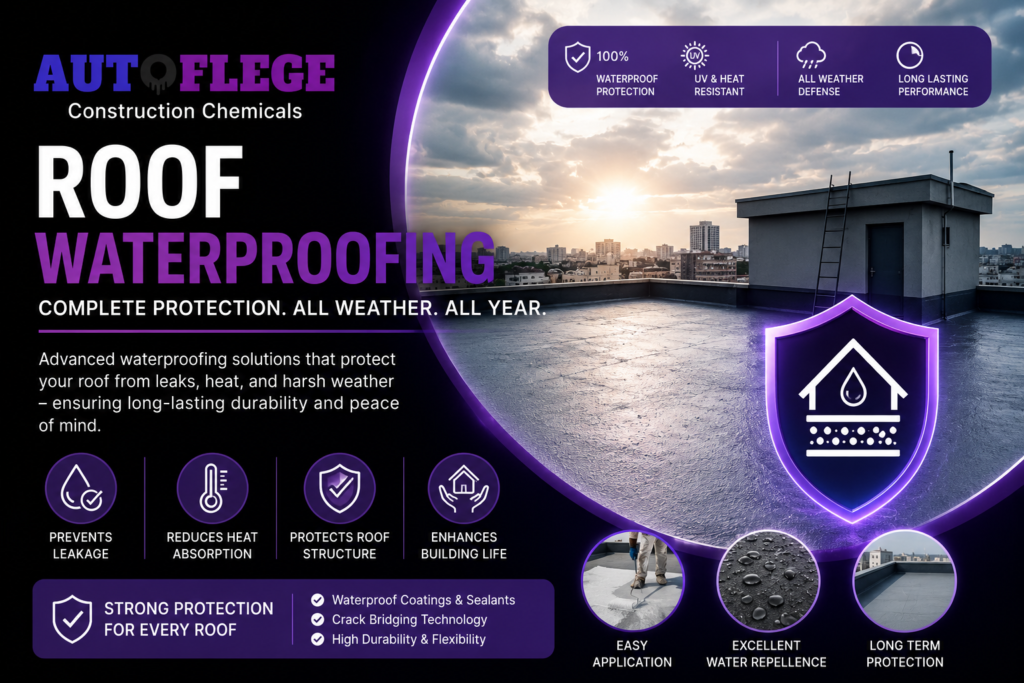
Roof Waterproofing Guide
A leaky roof often leads to big expenses for people who own homes. When moisture builds up, ceilings stay wet, paint cracks and fall off, while support structures grow weaker – unless repairs happen early. Stopping these troubles before they start? That’s were sealing a roof waterproofing well comes into play.
When rain pounds down or the sun beats hard, your roof takes the hit day after day. Though built tough, shifts in weather can wear it thin over time. When left open to these elements, tiny splits may appear, letting moisture sneak through. A small gap today might mean damp inside tomorrow.
Picture a home where rain doesn’t sneak through cracks. This walkthrough dives into roof waterproofing – why it matters, ways to apply it, what advantages come along. Different strategies show up depending on materials, weather exposure, building shape. Picking one ties back to durability needs, local climate patterns, future upkeep effort. Protection that lasts begins with understanding options before making moves.
Roof Waterproofing Matters
A roof often gets ignored until leaks show up. Still, keeping it sealed against water matters a lot for how well your house holds up over time.
- Prevents Water Leakage: Ceiling spots appear when rain sneaks through overhead cracks. Dampness spreads across wall surfaces over time. Wires hidden inside partitions may start failing without warning.
- Protects Structural Integrity: Wet conditions over time eat away at concrete along with its metal supports.
- Enhances Durability: A solid shield on top means the walls stay strong much longer.
- Reduces Maintenance Costs: What happens when you wait until water has already caused harm? Costs rise fast compared to stopping it before it starts.
Common Causes of Roof Damage
Finding out why something happens makes picking the best fix easier.
- Weather Conditions: Water falling hard plus constant sun breaks down outer layers slowly. Moisture will penetrate the surface and make it weaker when it rains frequently and is also exposed to direct sun.
- Cracks and gaps: Moisture can enter cracks and gaps as they grow larger into the framework of your roof due to prolonged exposure to rain and sunshine.
- Poor Construction Quality: Failing fast happens when cheap parts wear out. Materials that cost less often break sooner.
- Water Stagnation: Puddles linger on flat rooftops, making leaks more likely.
Water problems show why sealing a roof well matters. Roof troubles make clear that protection from leaks is key. Water leaks are a sure sign that you need to invest in waterproofing your roof. Wet spots signal that strong barriers stop damage before they spread.
Roof Waterproofing Methods
Some ways work better for certain situate spreads depend on what you’re trying to do.
- Liquid Waterproofing Membrane
- A fresh take on stopping leaks above your head. Most folks choose this way these days. It sticks around longer than older tricks. Not everyone agrees it’s perfect though.
- Forms a seamless layer
- Flexible and crack-resistant
- Easy to apply
- Cementitious Waterproofing
- Folks have relied on this approach for generations. Still common today across countless households.
- Cost-effective
- Strong bonding with concrete
- Suitable for basic protection
- Bituminous Coating
- Built tough when the job demands more. Heavy loads? No problem here.
- Waterproof roofs provide excellent water resistance, last for many years, and give your building a better chance of being watertight.
- Polyurethane Waterproofing
- A top-tier choice when demands grow more complex. Still works smoothly under pressure. Fits tasks that push limits. Handles what simpler options cannot manage.
- Highly flexible
- UV resistant
- Long-lasting performance
- A single one of these approaches matters when keeping a roof watertight. While another adds extra protection, each step fits into the bigger picture. One after another, they build up defense without drawing attention. Where moisture might sneak through, a different tactic holds it back. Even small details join in, doing their share quietly.
Choosing the right waterproofing solution
Getting lasting outcomes often depends on how you choose to proceed. What matters most shows up later, not at the start.
- Know What Kind of Roof You Have: Roofs that sit level need one kind of fix. Those angled upward rely on another approach instead.
- Consider Climate Conditions: When rain pours down hard, safeguards must be tougher.
- Check Durability: Few things beat picking stuff that holds up over time.
- Look for Flexibility: The material should handle temperature changes.
A wrong pick might leave your roof vulnerable to leaks. Choosing well keeps water out, plain and simple.
Roof Waterproofing Steps Simplified
- Folks who know their stuff deal with it like this
- Surface Preparation
- Sweep every bit of grime off the rooftop before going further. Dust, leaves, anything that doesn’t belong – get it all gone. A clear surface starts with careful brushing and steady wiping. Loose particles must vanish completely. Nothing sticks around when done right.
- If there are cracks in your roof, you should first fill them with an appropriate filler or sealant. (Follow manufacturer recommendations for the products you use.)
- Second, we recommend you clean all crevices, clean the area surrounding any gaps where you see the light glittering through, and fill them using a caulk gun or putty knife.
- A solid result comes when each step is followed. Skipping pieces risk leaking later.
- Common Mistakes to Avoid
Mistakes fade into the background when a solid approach takes hold.
- Ignoring Surface Preparation: Bonding suffers when conditions are off.
- Using Low-Quality Materials: Fails to build lasting answers.
- Improper Application: Faulty layering weakens performance.
- Poor drainage: If you have poor drainage, standing water will erode your roof faster than anything else can. Fixing these deficiencies will help the overall water-resistant ability of your roof.
Also Check: WATER-BASED WATERPROOFING PRODUCTS (THE SMELL PROBLEM) — THE SCIENCE OF DRYFIKS™ URP LATEX
Roof Waterproofing Benefits
Fences around a garden keep trouble out. A shield when moving forward helps avoid setbacks. Guarding what matters brings fewer surprises later on.
- Leak-Free Living: Water stops seeping through. Damp spots vanish without a trace.
- Increased Lifespan: Shields the framework of the building.
- Energy Efficiency: Reduces heat absorption.
- Higher Property Value: When upkeep stays consistent, property worth tends to rise. A house cared for today often draws more interest later. Proper maintenance of your roof over time will increase its value at time of sale.
Roofs that are maintained properly will not allow issues to develop which could have an impact on your building.
Maintenance Tips for Long Term Protection
- Just because it’s sealed doesn’t mean care stops. Yearly inspections can help you identify potential problems before they develop.
- Always inspect your roof immediately before the rainy season and after heavy rain.
- Always clean out any debris that may block your drainage system.
- Maintaining your rooftop over a long period will protect it from water damage. The long-term protection starts with the installation of the roof system and the continued maintenance of that system. If you make repairs as soon as you notice an area starting to decay, you can avoid the need for expensive repairs later due to leaks from the roof. By having your roof checked regularly and maintaining it according to the requirements of the manufacturers, you can prevent a small problem from turning into a large problem later. Your roof will require fewer repairs if you pay attention to it now.
Choosing a trusted waterproofing brand
A single choice shifts everything. Picking what fits changes how it works. The name on the label shapes the result.
- A reliable brand offers:
- High-quality products
- Consistent performance
- Expert guidance
- Long-term durability
- Roofs stay dry because Autoflege makes tough protection that handles today’s building challenges. Different structures get reliable coverage without guessing how it will hold up.
- Ignoring Roof Waterproofing Leads to Long Term Damage
Skipping safety steps might bring big problems down the road.
- Structural Damage: Fraying the structure’s strength bit by bit. Over years, small damage adds up quietly.
- Interior Damage: Walls suffer cracks when hit hard. Ceilings show stains after leaks spread. Moisture, which is absorbed into furniture, destroys the furniture.
- Health Issues: When the material is wet for too long, mold can grow on the material.
- High Repair Costs: The longer you wait for repairs, the greater the expense.
Fixing your roof early with good sealing stops trouble later. When your roof is built right the first time, there will be fewer future problems to face. Protection today keeps walls and ceilings safe tomorrow.
Above your head, the roof shields everything below from rain, wind, and sun. When left unchecked, small problems grow into expensive fixes over time.
A solid home begins with clear choices, follows through with careful upkeep, then stands firm over time. What matters most shows up when effort meets routine. Staying alert to details keeps problems small before they grow. Pick each step wisely because safety builds slowly, not all at once.
A strong roof keeps worries away tomorrow. Waterproofing now means fewer headaches later.